15874196392
No. A6-608 Lugu International Industrial Park, Yuelu District, Changsha 410205, Hunan, P.R China

.webp)
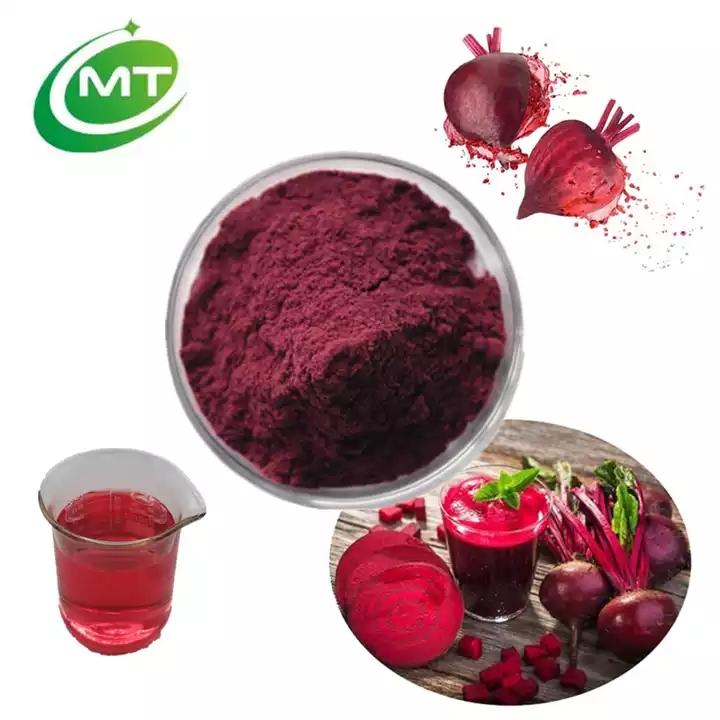
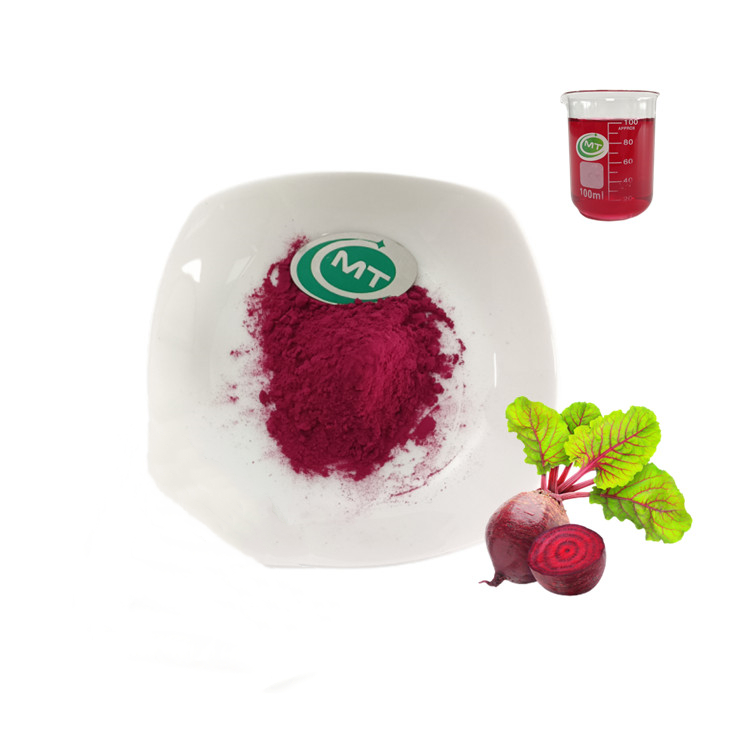
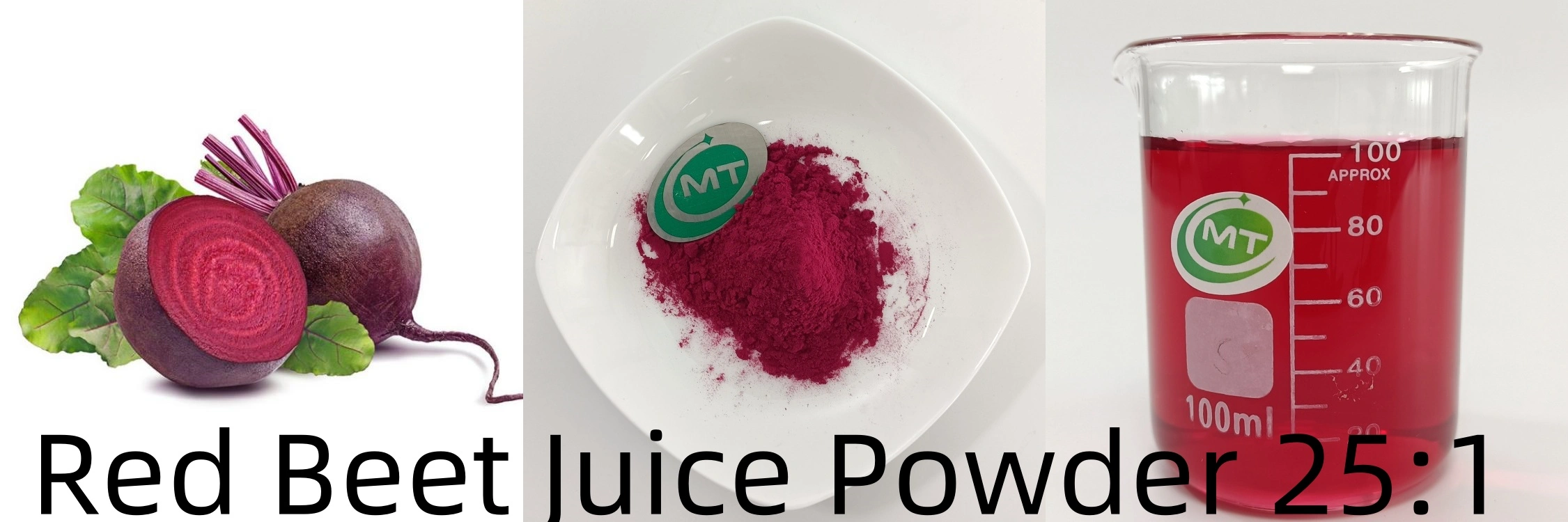
English name: Red Beet Juice Powder
Botanical name: Beta vulgaris L.
Parts used: root
Specification: 25:1
Appearance: Purple red powder

As food and beverage manufacturers continue to explore recognizable ingredients and clean-label formulation, naturally derived colors are receiving increasing attention. Among them, Red Beet Juice Powder offers an interesting combination of vibrant red color, plant-based origin, and convenient powder format.
Derived from red beetroot (Beta vulgaris), Red Beet Juice Powder can be used in a variety of food and beverage formulations where manufacturers are looking for a natural red color and a beetroot-based ingredient. Its powder format also makes it easier to handle, store, transport, and incorporate into dry blends compared with liquid beetroot juice.
For B2B manufacturers, however, choosing a beetroot powder is not simply about color. Source material, processing method, pigment content, solubility, moisture, microbiological quality, and application compatibility can all influence the final performance.
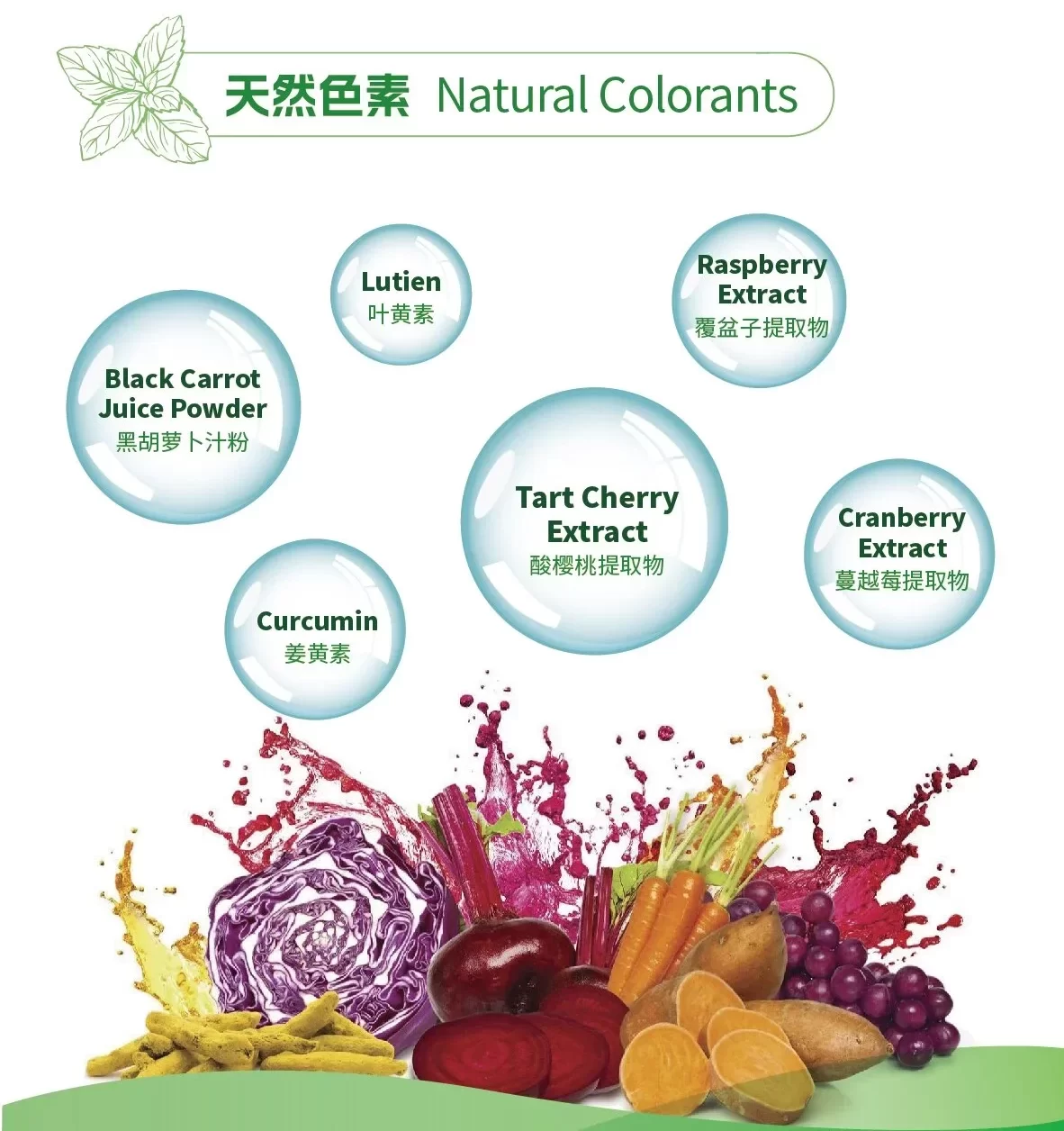
Red Beet Juice Powder is a powdered ingredient made from red beetroot juice through a drying process. The main color compounds naturally associated with red beetroot are betalains, a group of water-soluble pigments that includes betacyanins, responsible for red-to-violet shades, and betaxanthins, which contribute yellow-to-orange tones.
This distinguishes beetroot pigments from anthocyanins, carotenoids, and other natural color systems.
The powder format provides several practical advantages for ingredient manufacturers:
Easier storage and transportation
Convenient handling in dry formulations
Simple incorporation into powder blends
Suitable for a range of food and beverage concepts
Plant-based positioning
Natural red-to-purple color contribution
However, the exact color performance depends on the raw material and processing conditions. Different beetroot ingredients—including whole beetroot powder, beet juice powder, beetroot extract, and standardized betalain ingredients—should not be treated as interchangeable.
The growing interest in Red Beet Juice Powder is closely connected with two formulation trends: natural color and recognizable plant-based ingredients.
Consumers increasingly encounter products positioned around natural ingredients, while food manufacturers are looking for practical alternatives to synthetic color systems. Beetroot has long been investigated as a source of natural pigments and has been used in food products including beverages, dairy products, desserts, sauces, confectionery, and other processed foods.
For product developers, beetroot is particularly interesting because its pigments are naturally water-soluble. This makes beetroot-derived color ingredients relevant to many aqueous and semi-aqueous formulations.
At the same time, formulators need to understand the limitations of betalains. Their stability can be affected by temperature, oxygen, light, pH, water activity, and metal ions.
That means the right beetroot ingredient should always be selected according to the final product matrix.

| Items | Specifications | Test Methods |
| Product Name | Red Beet Juice Powder | / |
| Appearance & Color
Odor & Taste Mesh Size Solubility |
Fine purple powder
Characteristic NLT 90% through 80 mesh Good solubility in water |
Visual
Organoleptic 80 Mesh Screen 1g/100ml/Visual |
| Moisture Content
Ash Content Heavy Metals |
NMT 5.0%
NMT 5.0% NMT 10ppm |
5g / 105℃ / 2hrs
2g / 525℃ / 3hrs Atomic Absorption |
| Shelf Life | 2 years if sealed and store away from direct sun light. | |
| Remarks | Store in a well-closed container away from moisture, heat and strong sun.
Packing: Fiber drums and two plastic-bags inside. |
|

1. Naturally Derived Red Color
One of the most recognizable characteristics of beetroot is its deep red-purple color. Its betalain pigments can provide an attractive visual appearance in appropriately formulated food and beverage products.
For manufacturers developing products around natural color concepts, Red Beet Juice Powder can therefore be an alternative ingredient to consider.
2. Convenient Powder Format
Compared with liquid beet juice, powder offers advantages for industrial handling.
It can be weighed accurately, incorporated into dry premixes, and shipped without transporting large quantities of water. This can be particularly useful for manufacturers producing powdered beverages, nutritional blends, instant mixes, and other dry formulations.
3. Plant-Based Ingredient Positioning
Beetroot is a familiar vegetable ingredient rather than an obscure synthetic additive. This gives Red Beet Juice Powder potential value in product concepts emphasizing recognizable, plant-derived ingredients.
4. Versatile Formulation Potential
Beetroot ingredients have been studied and applied across a broad range of food systems, including beverages, desserts, yogurt, ice cream, confectionery, sauces, and powdered products.
The final application should nevertheless be evaluated through formulation trials because color stability varies significantly between products.
The primary commercial role of Red Beet Juice Powder can be its contribution to color, but beetroot naturally contains a broader range of compounds.
Red beetroot contains betalains, phenolic compounds, flavonoids, nitrates, vitamins, minerals, and other phytochemicals. Scientific literature has investigated these compounds for antioxidant and other biological activities.
For ingredient marketing, it is important to distinguish nutritional or research interest from a specific health claim.
In other words, a beetroot ingredient can be described as a plant-based functional food ingredient, but manufacturers should not automatically assume that the presence of betalains or nitrate translates into a disease-prevention or therapeutic effect.
For B2B applications, the more practical questions are often:
What is the product’s color performance?
How does it behave in water?
What is the moisture level?
What is the pigment or betalain specification?
How stable is it under the intended processing conditions?
Does it meet the customer’s microbiological and contaminant requirements?
Beverage Formulation
Red Beet Juice Powder can be considered for powdered drinks, smoothies, functional beverage mixes, juice-style products, and other beverage concepts where a red or reddish-purple appearance is desired.
Because betalains are sensitive to processing conditions, beverage developers should evaluate pH, heating, oxygen exposure, and storage conditions during product development.
Sports and Nutrition Powders
Beetroot is already familiar in sports and nutrition product concepts. A powdered beetroot ingredient can be incorporated into dry blends alongside other plant ingredients.
For manufacturers, the exact product specification matters. A general beetroot powder should not automatically be marketed as a standardized nitrate ingredient unless the nitrate content is actually tested and specified.
Bakery and Desserts
Beetroot-derived ingredients can be explored in cakes, muffins, frosting, dessert mixes, confectionery, and other products where a natural red or pink visual effect is required.
Formulators should conduct pilot trials because high-temperature baking can affect betalain stability.
Yogurt and Dairy Alternatives
Beetroot pigments have been investigated for use in yogurt and other food matrices.
In these applications, the final pH and storage conditions should be considered when determining the appropriate ingredient and dosage.
Smoothies and Plant-Based Products
The combination of recognizable beetroot origin and natural color makes Red Beet Juice Powder relevant to smoothie powders, plant-based drink mixes, nutrition blends, and other modern food concepts.

Shipping & Packaging:
Shipping method:
We have Professional shipping agent, based on customers ‘ demand for transport
By express :FEDEX,DHL,EMS ,UPS,TNT ect. Around 3-5 workdays
By AIR Around 5-7 workdays
By SEA Around 15-20 workdays
Packaging : 1.Pack in aluminum foil bag for 1kg.
2.Pack in paper-drums and two plastic-bags inside for 10kgs/25kgs.
3.According to your requirements.

Is Red Beet Juice Powder the same as beetroot powder?
Not necessarily. Red Beet Juice Powder is generally produced from beetroot juice, while beetroot powder may be made from the whole root. Their color, flavor, nutritional profile, and processing characteristics can therefore differ.
Is Red Beet Juice Powder water soluble?
Juice-derived powders are generally designed for incorporation into liquid formulations, but actual dispersion and solubility depend on the manufacturing process and product specification. Application testing is recommended.
What gives beetroot its red color?
The characteristic red-to-violet color is mainly associated with betalains, particularly betacyanins. Betalains also include betaxanthins, which contribute yellow-to-orange tones.
Can Red Beet Juice Powder be used as a natural food color?
Beetroot-derived pigments are widely studied and used as natural food coloring ingredients. However, regulatory requirements and permitted applications vary by market, so manufacturers should verify the applicable local regulations before commercialization.
What information should I request from a Red Beet Juice Powder supplier?
For B2B sourcing, request a specification sheet, COA, sample, microbiological information, contaminant testing, physical characteristics, recommended storage conditions, and application-related information relevant to your product.
15874196392
No. A6-608 Lugu International Industrial Park, Yuelu District, Changsha 410205, Hunan, P.R China



 ES
ES  EN
EN  FR
FR  DE
DE  RU
RU  TH
TH  JA
JA  KO
KO  AR
AR  PT
PT  ZH
ZH